11-12世纪印度帕拉风格石雕释迦牟尼佛本生故事(旧金山亚洲艺术博物馆)
尺寸:H. 16.5 cm x W. 12.7 cm x D. 5.1 cm
年代:11-12世纪
质地:石雕(pyrophyllite 叶腊石)
风格:帕拉
来源:旧金山亚洲艺术博物馆
参阅:外部链接
鉴赏:
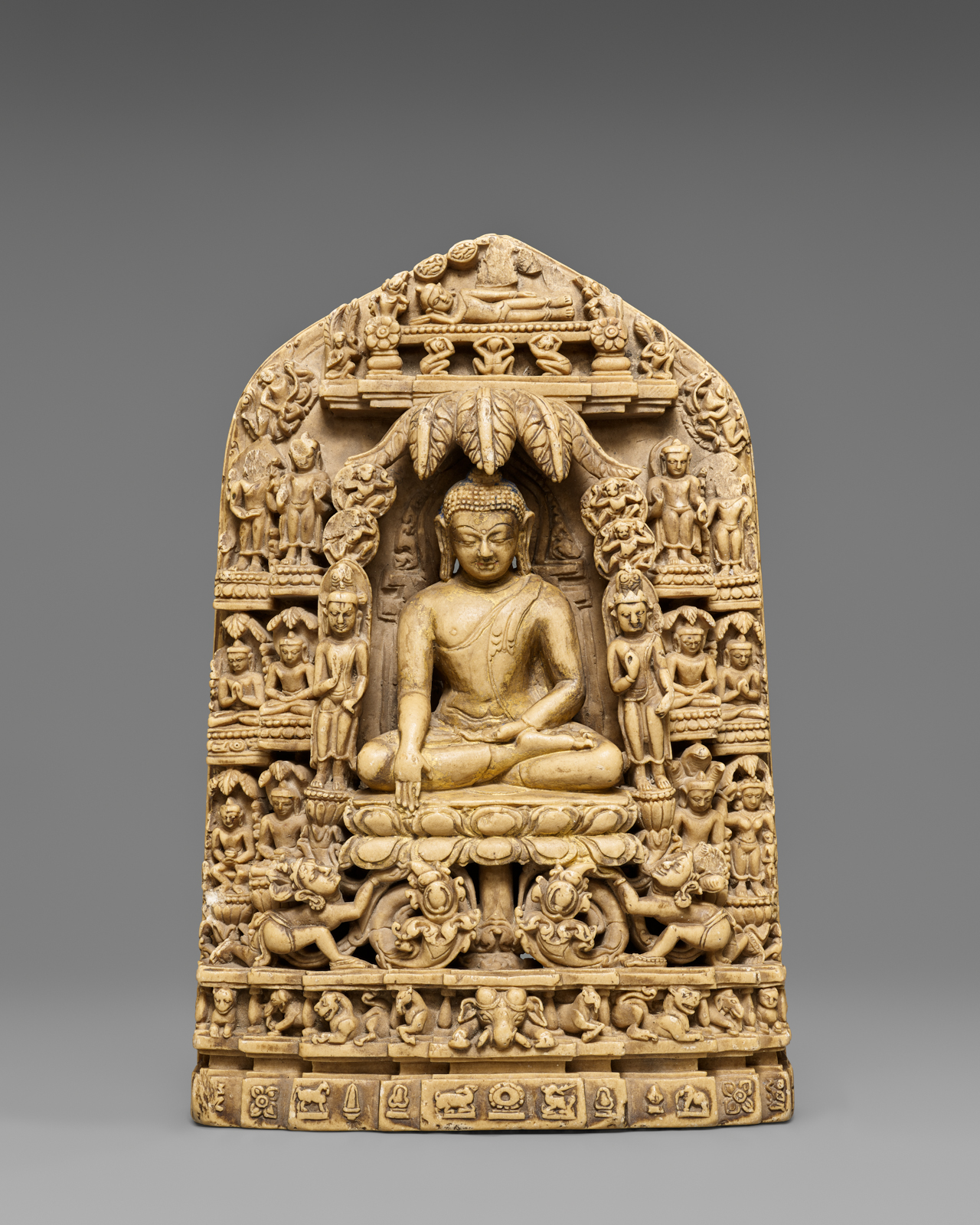
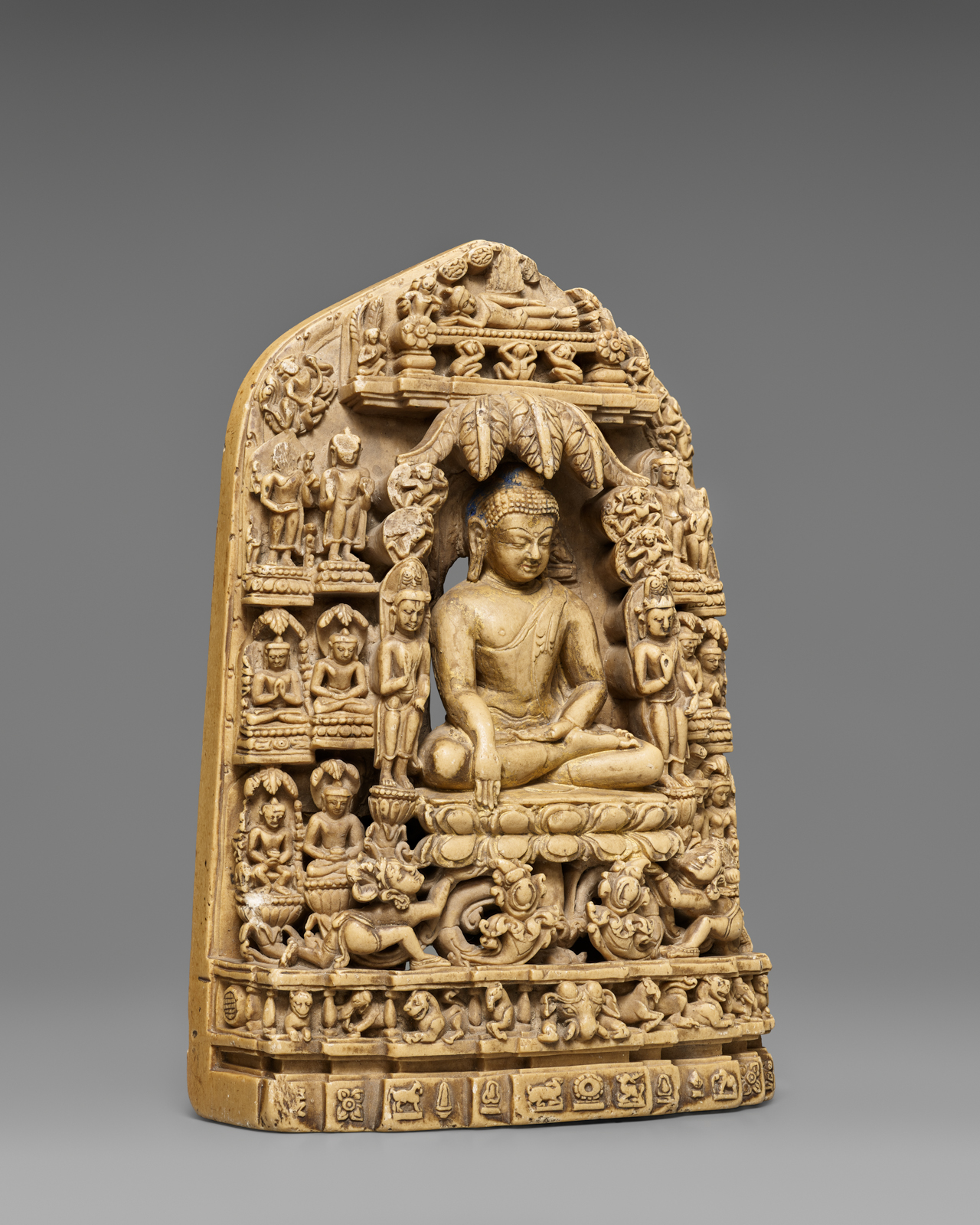
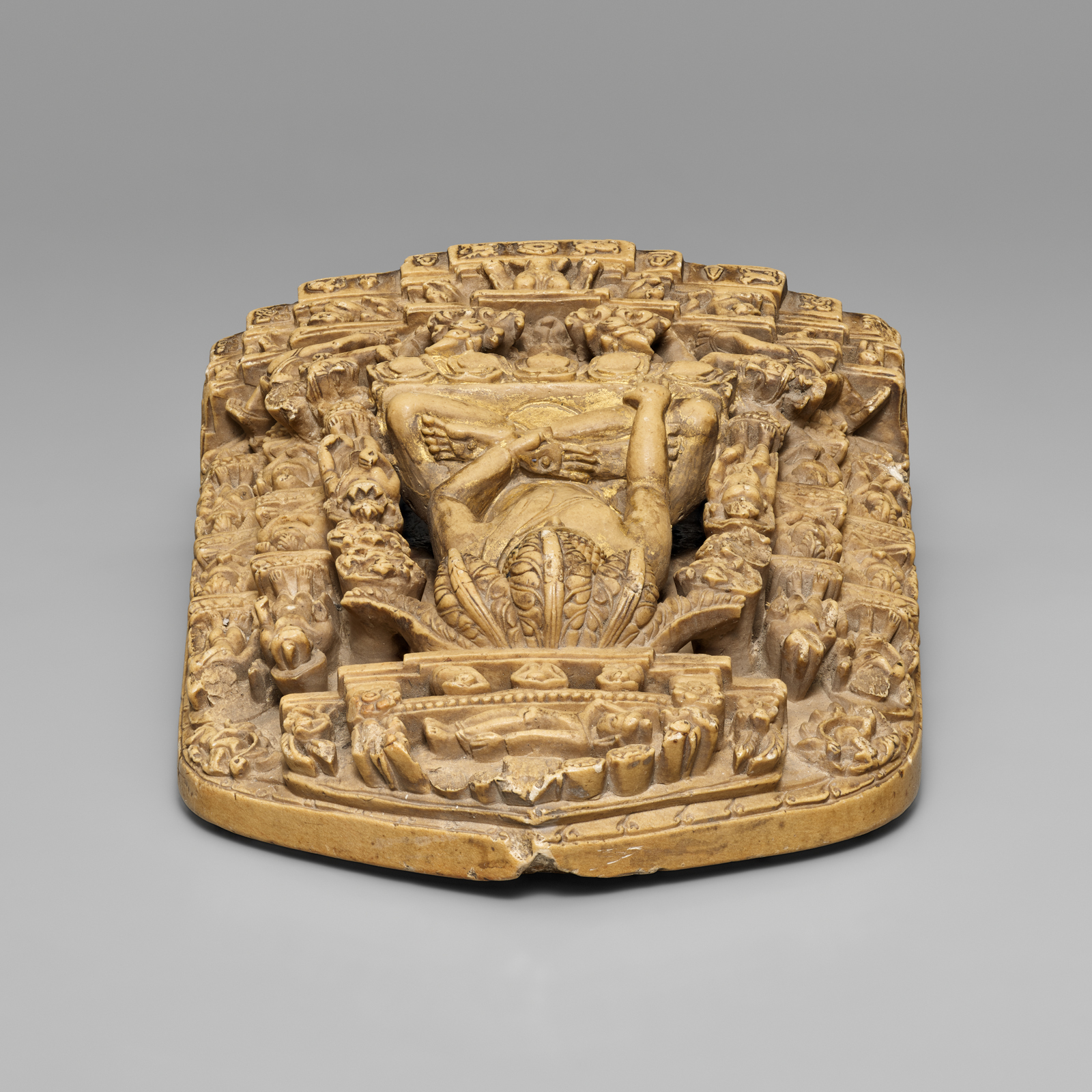
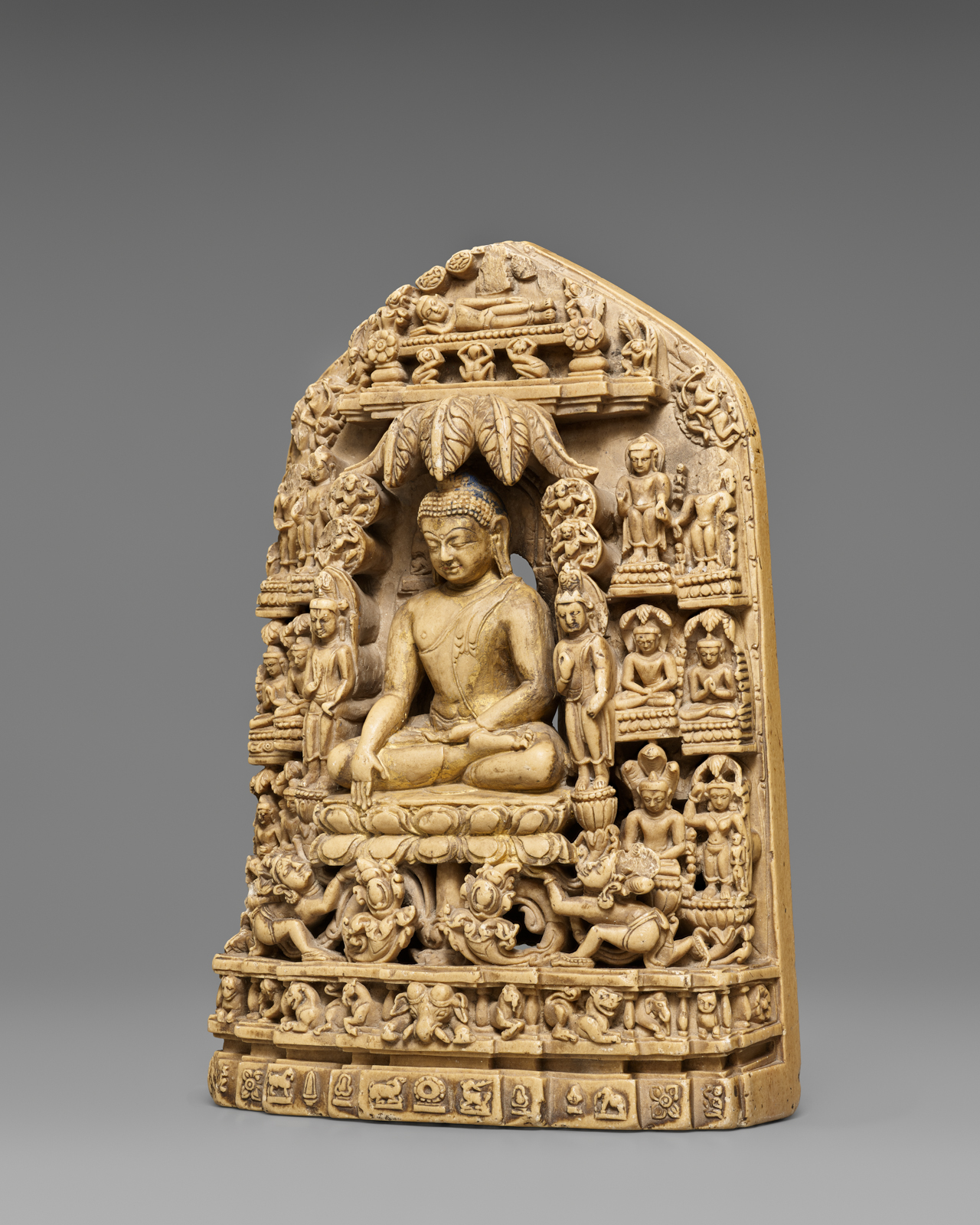
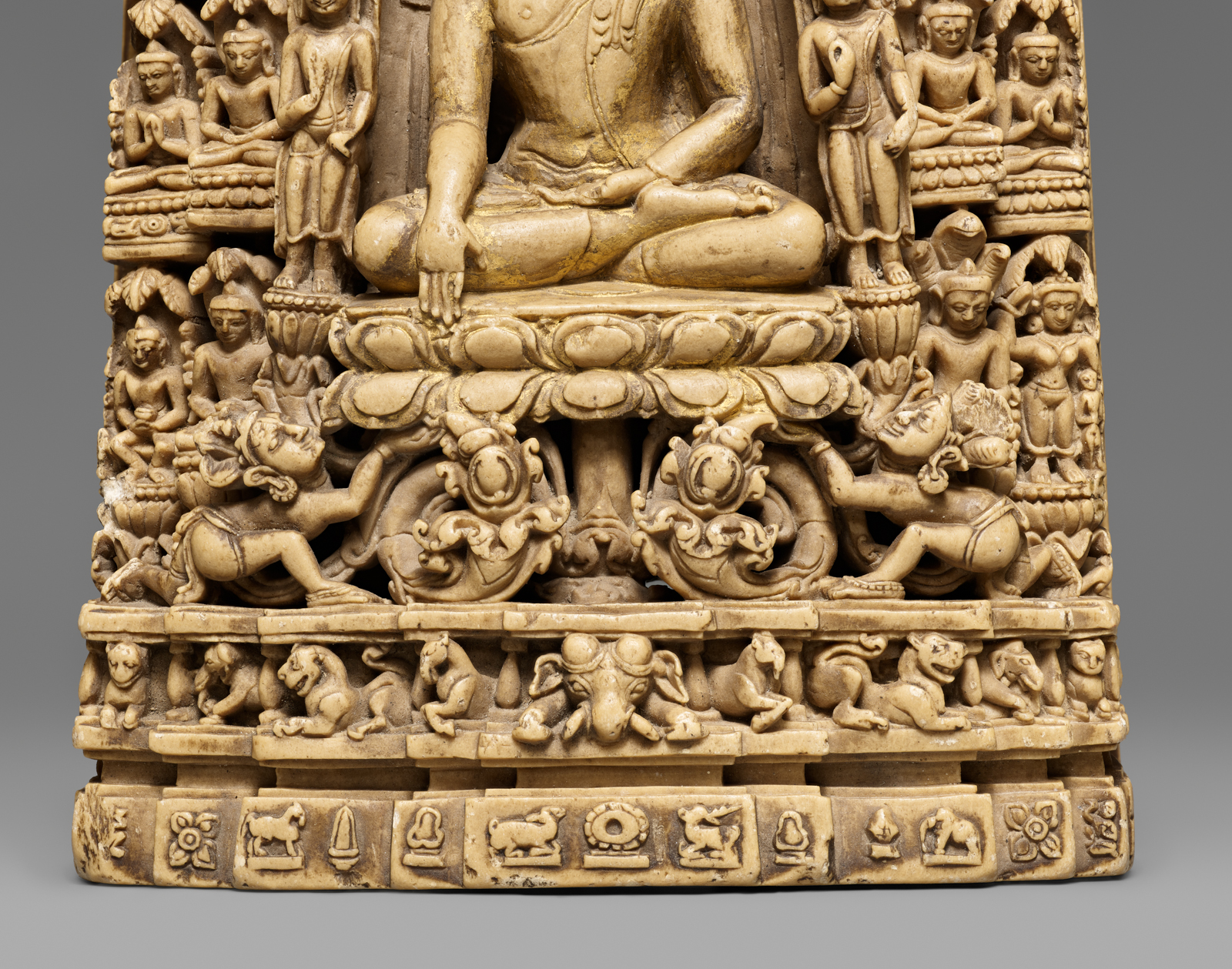
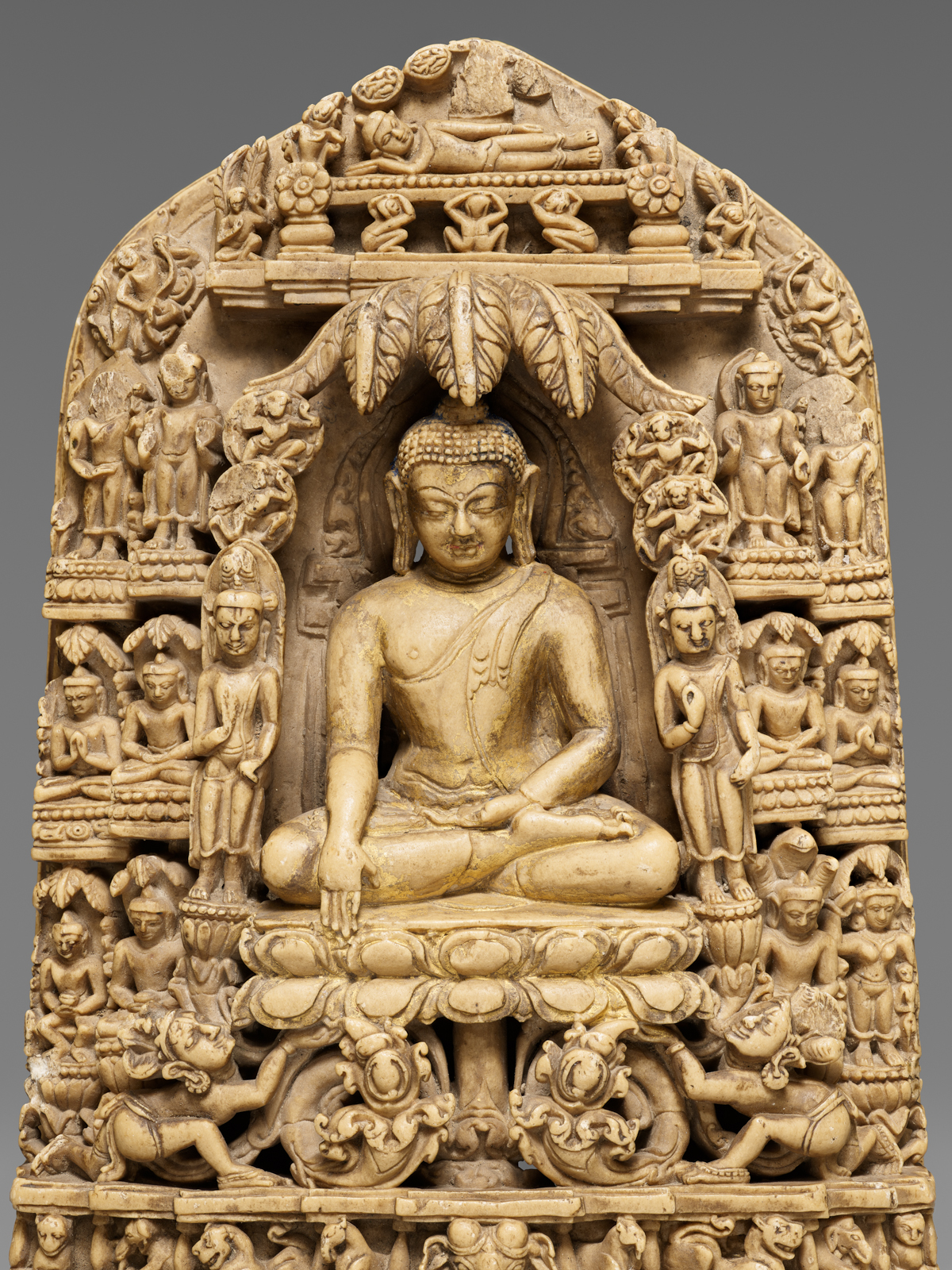 在这件小型浮雕饰板上,中央的佛陀坐像被环绕以佛陀生平八相图中的七种标准场景,以及佛陀证悟后七周内发生的事件。主尊佛像左右两侧各有一尊菩萨像,推测分别为弥勒菩萨与观世音菩萨。
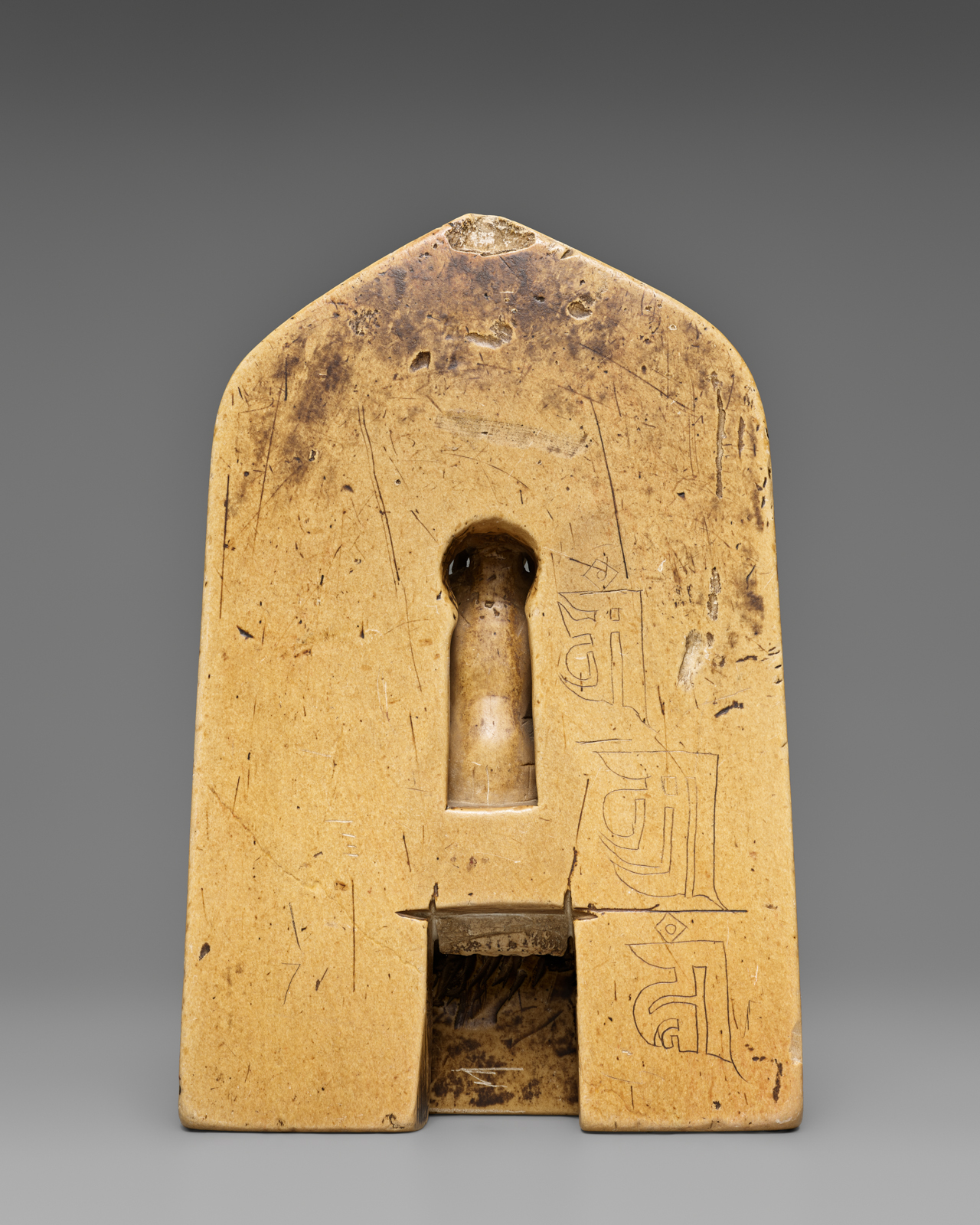
此饰板揭示了公元1000年至1200年间佛教世界不同区域间复杂的文化联系。在印度东北部、斯里兰卡和西藏地区,均发现过在构图布局、象征体系、尺寸规格和材料质地方面极为相似的饰板。缅甸亦出土了大量同类器物。部分学者曾推测此类饰板全部(或大部分)产自缅甸,但包括本品在内的多件饰板背面却刻有藏文或汉文铭文。对此现象最直接的解释是:这些饰板产自印度东北部,专为前往佛教圣地朝圣的各国信徒所制作。
此时期的缅甸艺术与印度东北部同期佛教艺术存在紧密关联。同时,缅甸朝圣者是印度东北部佛教艺术与建筑的重要资助方,其审美偏好可能在一定程度上影响了当地创作。此外,此时期可能有印度本土或受印度训练的艺匠在缅甸工作。显然,这类饰板的产地问题始终难以简单定论。
In this small sculptured plaque, the central seated Buddha image is surrounded by representations of seven of the standard set of eight scenes of the Buddha’s life and the events of the seven weeks after the Buddha achieved Enlightenment. Immediately on either side of the central Buddha are bodhisattvas, presumably Maitreya and Avalokiteshvara.
This plaque suggests the complexity of cultural relationships among various parts of the Buddhist world in the period from 1000 to 1200. Plaques quite similar in arrangement, symbolism, size, and material have been found in northeastern India, Sri Lanka, and Tibet. Many have also been found in Myanmar (Burma). Some scholars have assumed that all (or most of) the plaques of this type were made In Myanmar. Some plaques have inscriptions on the back in Tibetan (including this one) or Chinese, however. The easiest way to explain this fact would be to say that the plaques were made in northeastern India for the many Buddhist pilgrims of various nationalities who came to worship at the holy sites of the Buddhist homeland.
Burmese art of this period has strong connections with the contemporary Buddhist art of northeastern India. Also, Burmese pilgrims were significant patrons of Buddhist art and architecture in northeastern India, and their tastes and preferences may sometimes have made themselves felt. It is also possible that Indian or Indiantrained artists worked in Burma in this period, so clearly the question of where such plaques were made will never be easy to answer.