
侧边栏

13世纪金代元代木雕彩绘水月观音菩萨(伦敦V&A博物馆)
尺寸:高78cm
年代:元代 金代
质地:木雕彩绘
风格:中原
来源:伦敦V&A博物馆
参阅:外部链接
鉴赏:


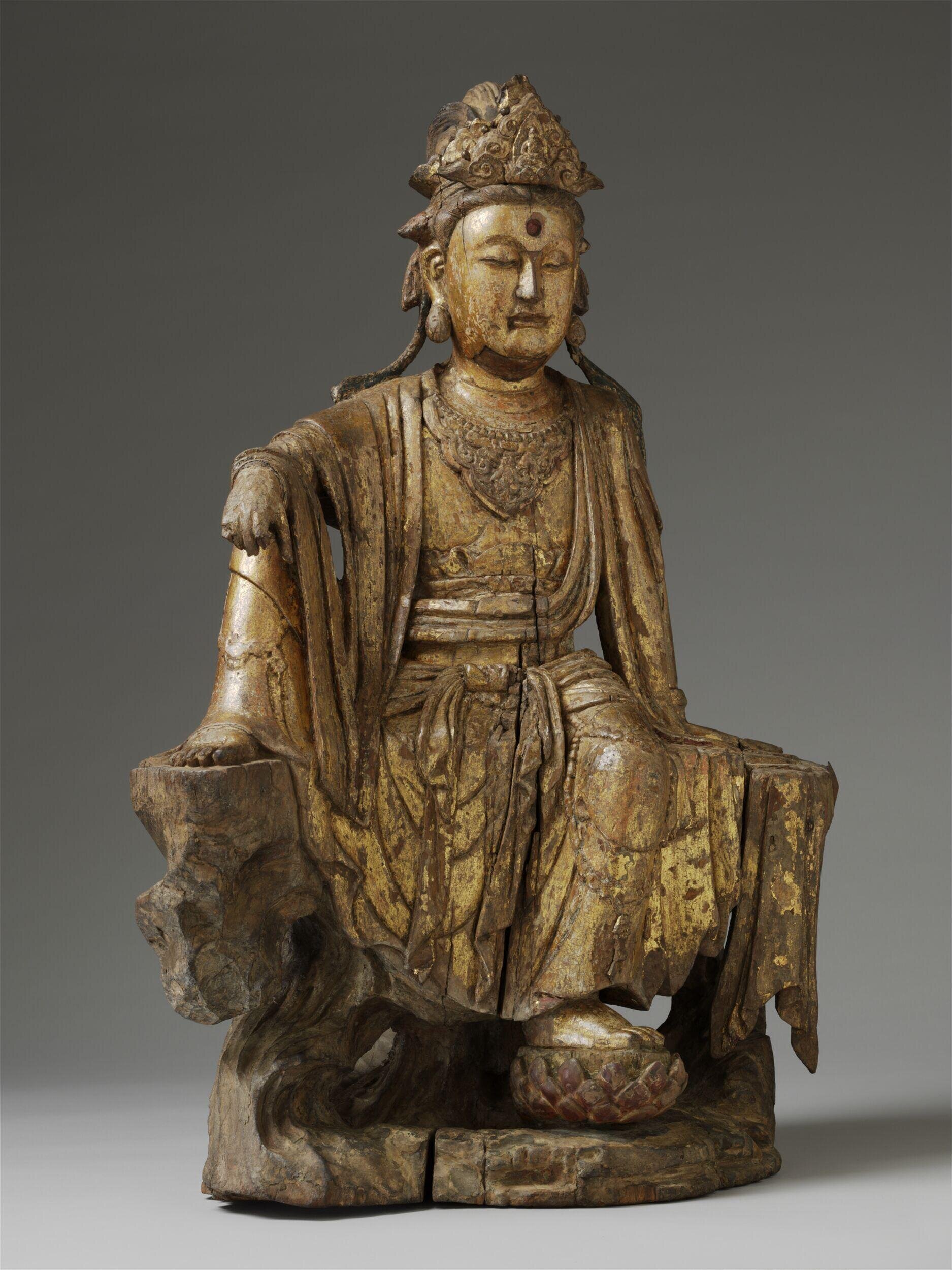
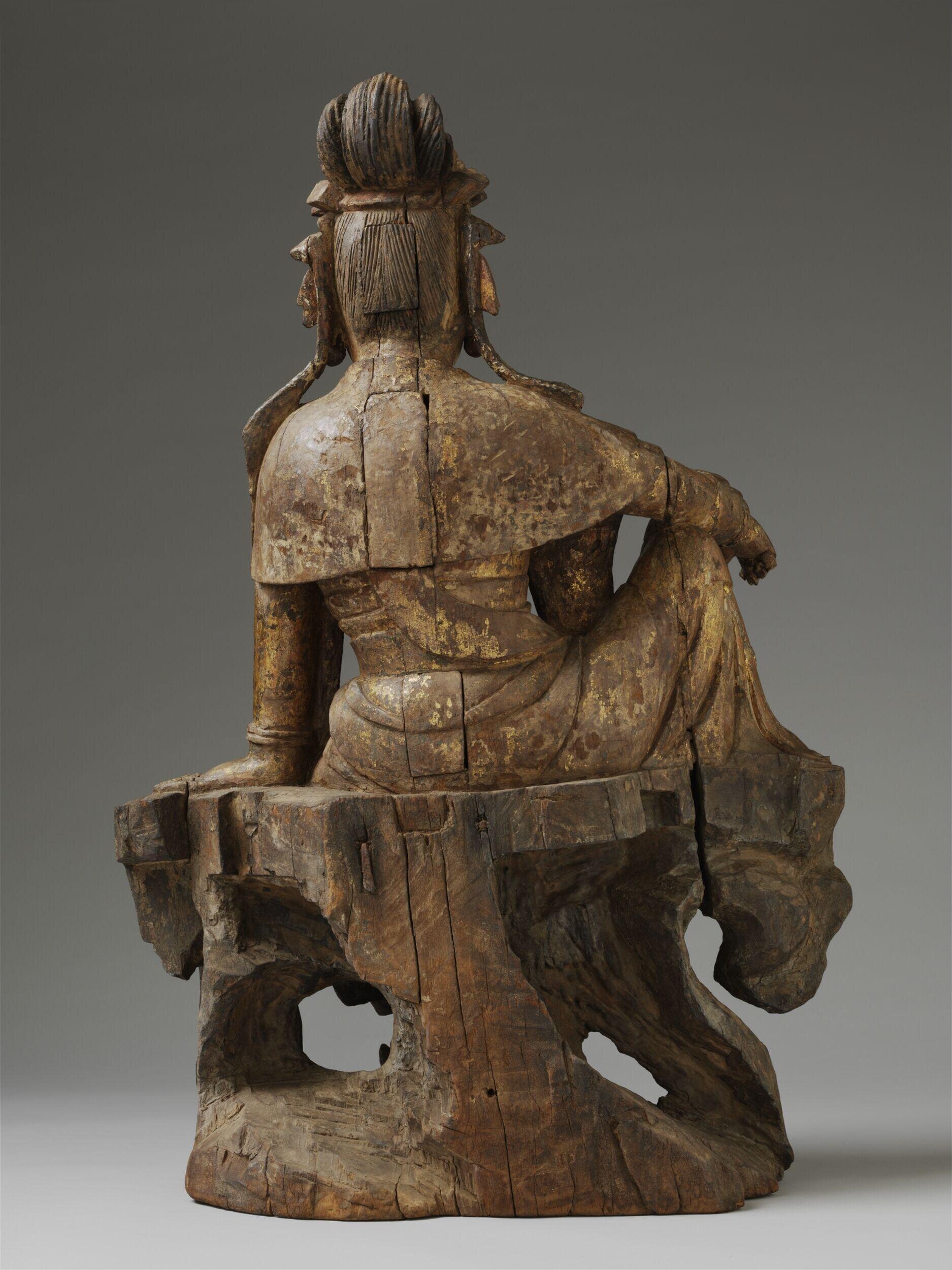
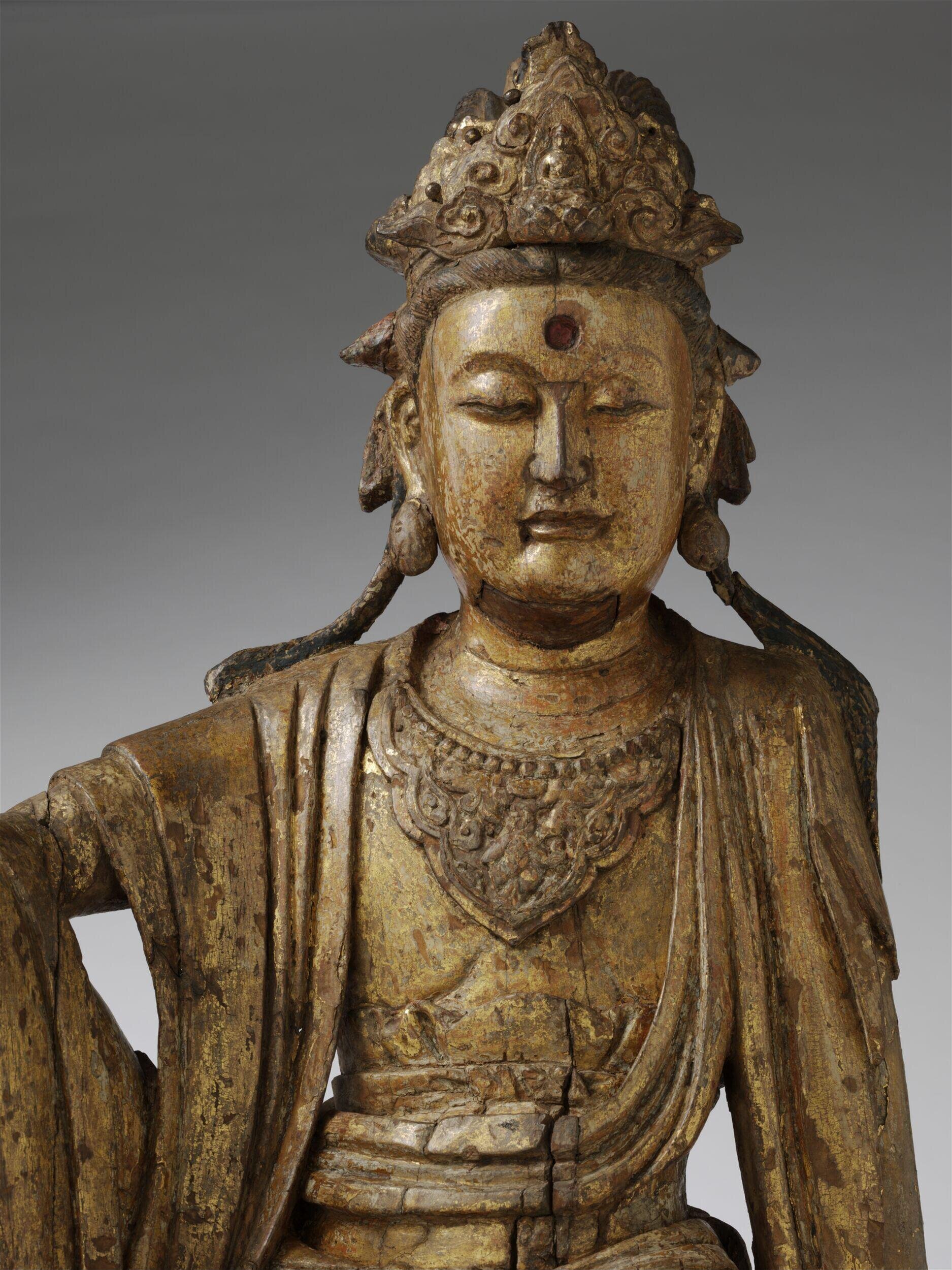
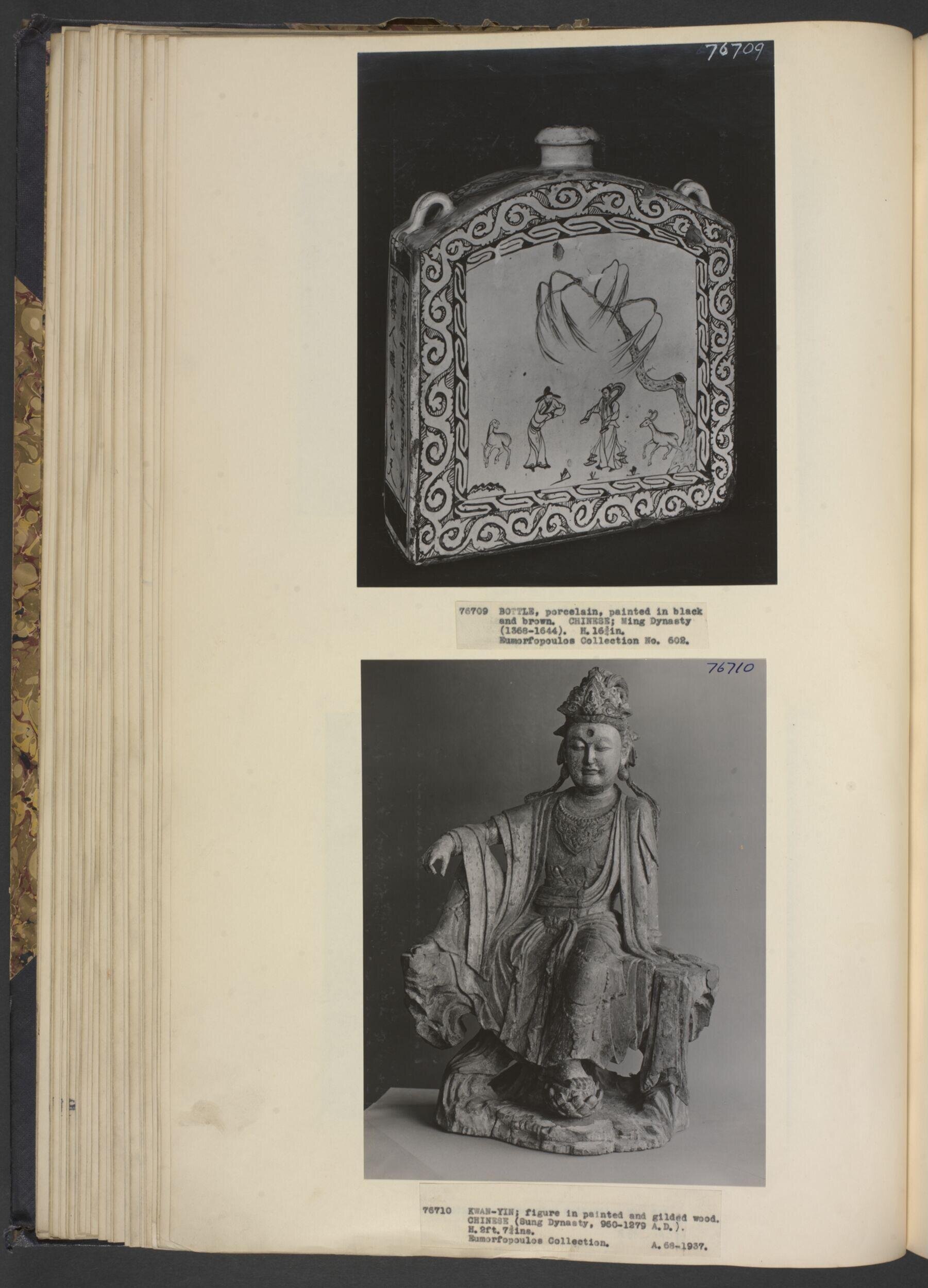
 Figurine, 'Bodhisattva Guanyin', carved wood with painted and gilt surface, China, ca. 1200 - 1300.
Figurine of wood of the Bodhisattva Guanyin; shown seated on a gnarled tree trunk with his right arm resting on his raised right leg, his left leg hanging down resting on a lotus stall, and his left arm placed palm down on the tree trunk. His hands are missing. A red dot is carved into the centre of the forehead. In addition to the elaborate robe is a crown within which is placed an image of Buddha. Tassles hang down his left knee. His robe is creased, and open, revealing the right side of his chest. The fluidity of the robes is conveyed with skillful artistry. White paint is visible on the surface, and pigments of red, black and gold are visible.
The gold painted onto this wooden sculpture still shimmers brilliantly, highlighting the intricate carving used to decorate the Bodhisattva's headdress and necklace. The large dot between his eyebrows, long earlobes, and headdress are all signs of the figures high standing and spiritual advancement. The footstool is decorated with a lotus motif, which is highly symbolic of purity, and, in the way that a clear white lotus rises from a muddy pond, represents the ability to rise beyond earthly desires. As a lotus is being used as a footstool here, it confirms the advanced spiritual state of the Bodhisattva.
这尊木雕观音菩萨像呈坐姿,倚坐于虬结树干之上,右臂搭于抬起的右膝,左腿垂足踏莲花,左手掌心向下按扶树干。双手已佚。额心雕饰红点一粒。除华美法衣外,冠中安奉化佛一尊。左膝处垂有璎珞飘带。衣纹折叠,胸右袒露。匠人以精湛技艺刻画出衣袍的流动感。表面可见白彩,并残留红、黑、金等色料痕迹。
这尊木雕造像上的金彩至今仍熠熠生辉,将菩萨头冠与璎珞的精巧雕饰衬托得格外华美。眉间白毫、垂肩双耳及庄严宝冠,皆彰显着修行者的崇高果位与证悟境界。足踏的莲台装饰着极具象征意义的莲花纹样——这朵出淤泥而不染的清净白莲,代表着超越尘世欲染的解脱功德。以此圣洁莲花为足踏,正印证了菩萨超逸的精神境界
来源:
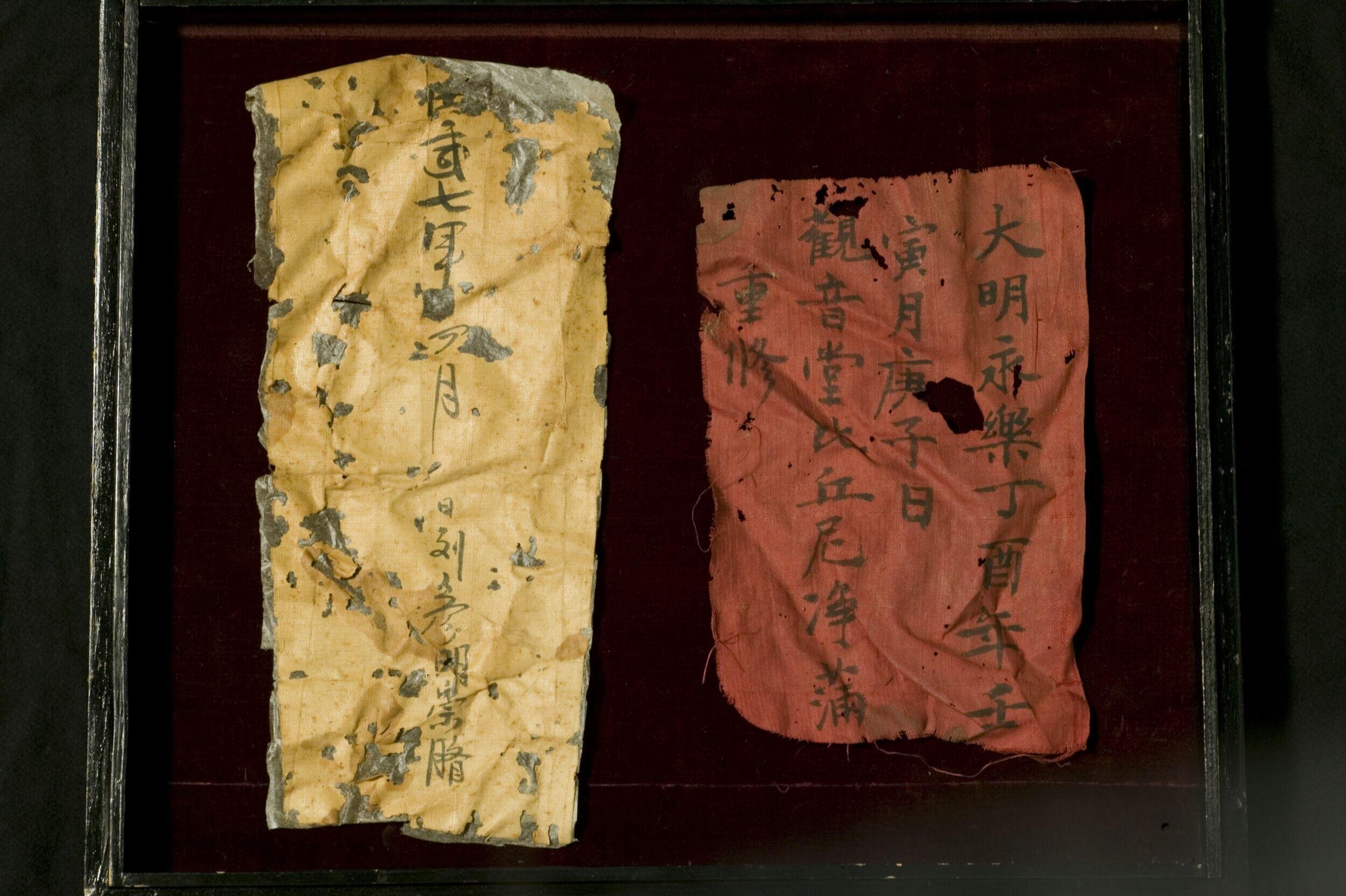
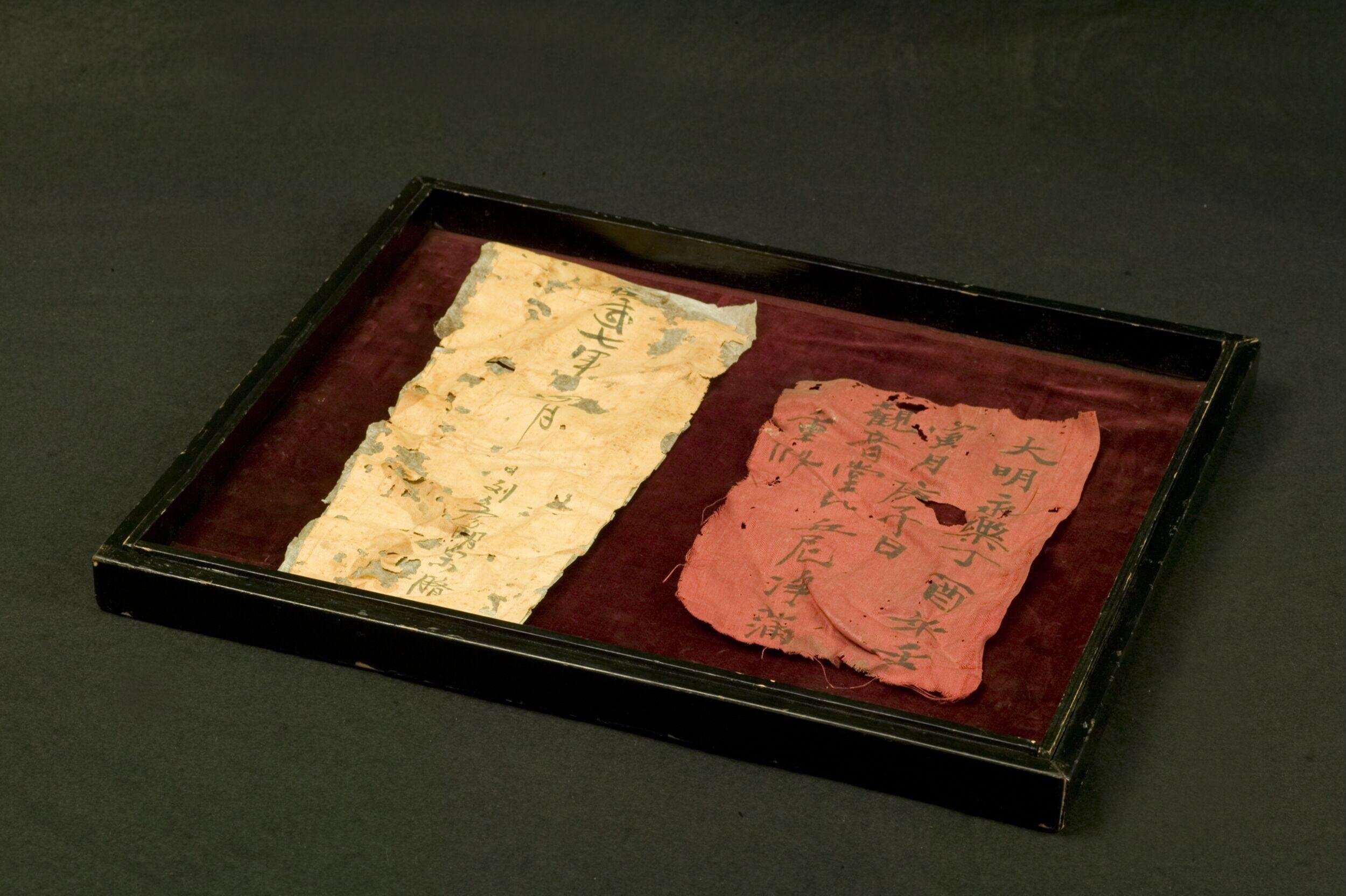
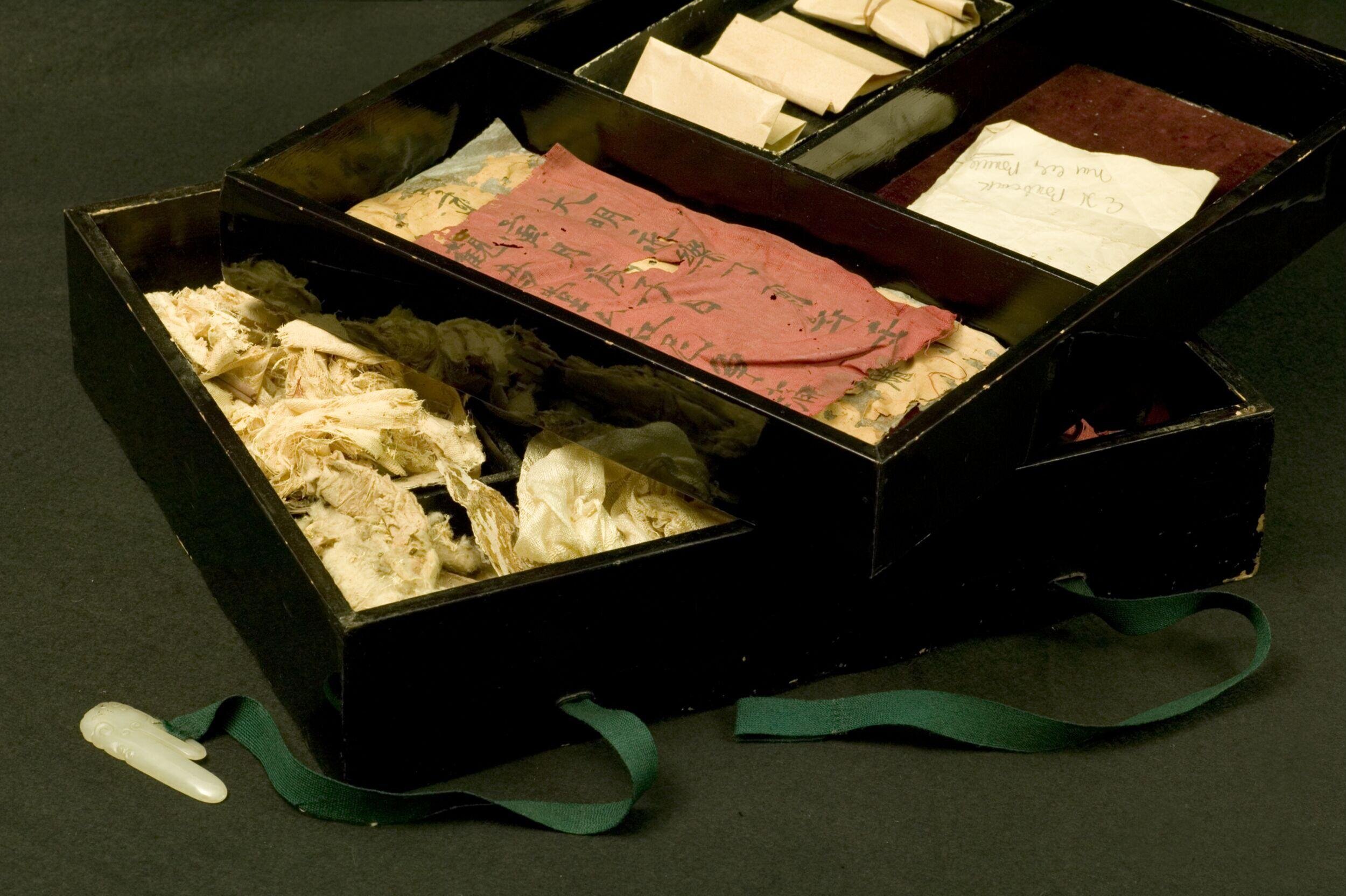
When the figure arrived at the museum. offerings, and evidence of repairs executed in 1374 and 1417, were found inside it. According to the registered file RP/1935/199 this came with A.68/A-1937, a lacquer box.
Eumorfopoulos Collection
This object came from the collections of George Eumorfopoulos (1863-1939), the son of a Greek merchant. George entered the firm of Ralli Brothers, merchants, of London, of which for a time he was representative in south Russia; he rose eventually to be vice-president and retired in 1934.
Soon after his marriage in 1890, Eumorfopoulos started collecting, moving from European porcelain to an interest in Chinese. It was a time when knowledge of Chinese art in the West was about to expand rapidly: archaeology and railway construction in north China cut into tombs richly furnished with pottery figures and vessels of the first to the tenth century. In his preface to the first of the six volumes of R. L. Hobson's monumental catalogue of his Chinese and other Eastern ceramics (1925-8), Eumorfopoulos recorded that it was in 1906 that he saw the first specimens of tomb wares: 'First came the Han, then the Tang (figures of horses and camels first in 1910), and lastly the Wei' (Hobson, The George Eumorfopoulos Collection, vii). His collection grew rapidly until it became remarkably representative of the ceramics of the Song and earlier periods. Eumorfopoulos then launched out into the field of Chinese archaic bronzes and jades, and eventually of sculpture and paintings as well, until his collection became the greatest of his time. Eumorfopoulos had intended to bequeath his collection to the nation, but in 1934 he found it necessary to realize a part. Accordingly, he offered the national museums all that they required of the Chinese section for £100,000, a sum estimated at the time to be well under half the market value. The money was found, and a division between the British and Victoria and Albert museums was made on a basis of three to two.
After the sale of 1934, Eumorfopoulos still continued to buy Chinese antiquities; his taste was wide, however, ranging from Islamic and medieval art to modern European painting and sculpture. The vitality of his judgement is shown in the remarkable examples of contemporary work which he acquired, largely through his patronage of young artists, in particular sculptors: he owned paintings by Matisse and sculptures by Barbara Hepworth. He also supported archaeological studies and was one of the founders of the Oriental Ceramic Society and its first president from 1921 until his death at 7 Chelsea Embankment on 19 December 1939. His remaining collections were sold at auction by Sothebys from 28 to 31 May and on 5 and 6 June 1940 and, after his widow's death, in 1944. His collection is represented in the major national collections of Chinese art.
Information taken from Basil Gray, rev. M. Tregear, DNB website.
这尊造像入藏博物馆时,其内部发现了供奉物,以及公元1374年和1417年两次修复的痕迹。根据编号RP/1935/199的登记档案记载,此像与编号A.68/A-1937的漆盒同属一组。
尤摩弗帕洛斯珍藏
此件文物源自乔治·尤摩弗帕洛斯(1863-1939)的收藏。这位希腊商人之子入职伦敦拉利兄弟商行,曾驻南俄代表,后升任副总裁,于1934年退休。
自1890年婚后,尤摩弗帕洛斯便开始收藏,从欧洲瓷器转向中国艺术品。彼时西方对中国艺术的认识正飞速扩展:华北的考古发掘与铁路工程不断切割出随葬丰富的1至10世纪陶俑与器皿。在R.L.霍布森六卷本巨著《乔治·尤摩弗帕洛斯藏中国及东方陶瓷》(1925-8)的序言中,他记载1906年初见墓葬陶器标本:“先是汉代,继之唐代(1910年首见马俑与骆驼俑),终及北魏”。其收藏迅速扩展,成为宋及宋以前陶瓷的卓越代表。继而涉足中国高古青铜器、玉器,最终囊括雕塑与绘画,成就当时最伟大的收藏体系。
尤摩弗帕洛斯原拟将藏品遗赠国家,1934年却不得不部分变现。遂以十万英镑将中国部所需之物尽售国家博物馆——时人估此不及市价之半。筹款完成后,大英博物馆与维多利亚阿尔伯特博物馆按三比二比例分配。
1934年售让之后,尤摩弗帕洛斯仍持续购藏中国古物;其品味广博,兼收伊斯兰艺术、中世纪文物与现代欧美绘画雕塑。其鉴藏活力可见于所藏当代杰作——多源自对青年艺术家(尤其是雕塑家)的赞助:既藏马蒂斯绘画,亦藏芭芭拉·赫普沃斯雕塑。他资助考古研究,为东方陶瓷学会创始人之一,自1921年起任会长直至1939年12月19日于切尔西堤岸7号寓所逝世。其余藏品于1940年5月28至31日及6月5至6日由苏富比拍卖,其遗孀去世后又于1944年再度释出。其珍藏现遍布各大中国艺术国家收藏体系。
页面工具
