
侧边栏

4-5世纪犍陀罗灰泥菩萨头像(克利夫兰艺术博物馆)
尺寸:45.7 x 35.5 cm
年代:4-5世纪
质地:灰泥
风格:犍陀罗
来源:克利夫兰艺术博物馆
参阅:外部链接
鉴赏:
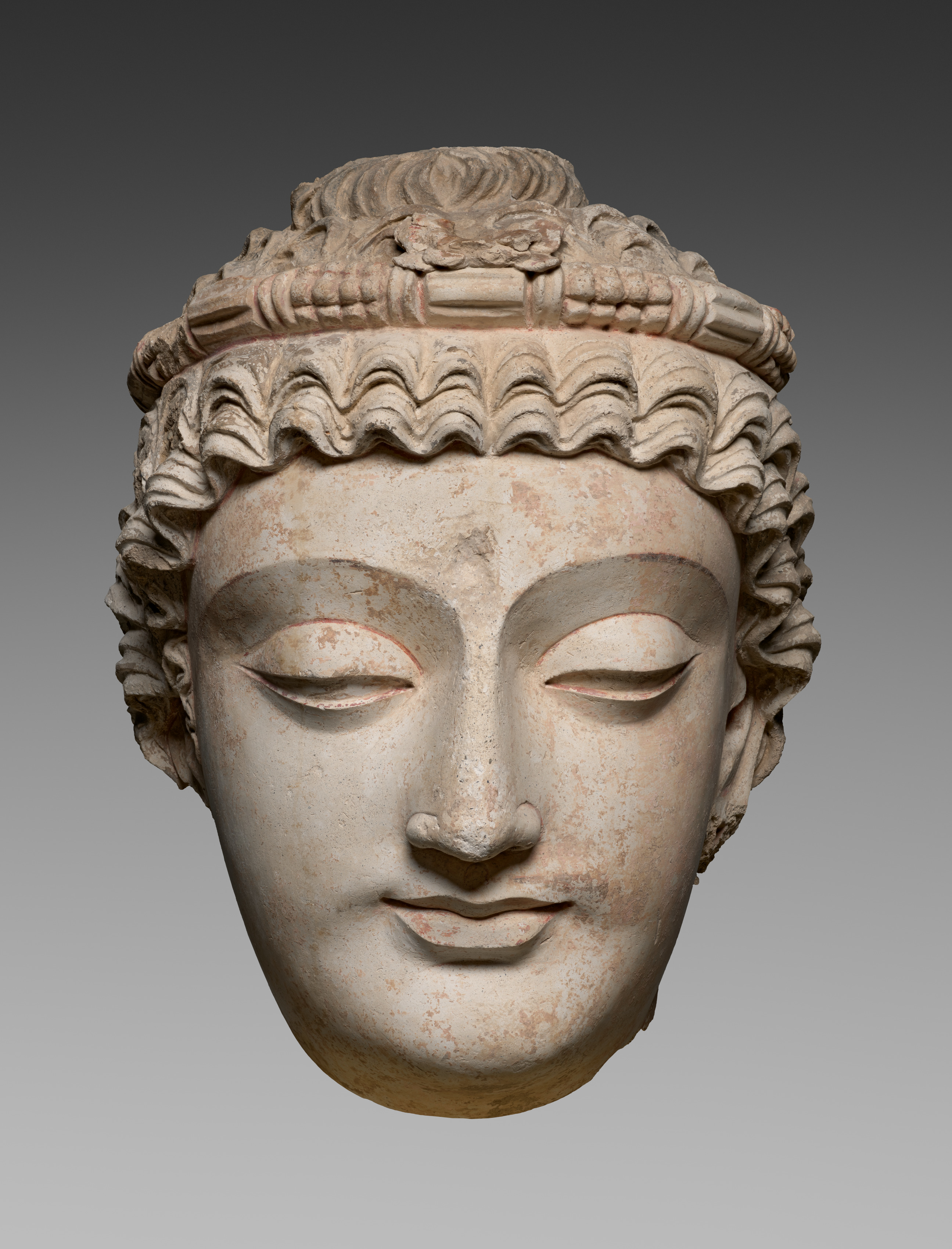
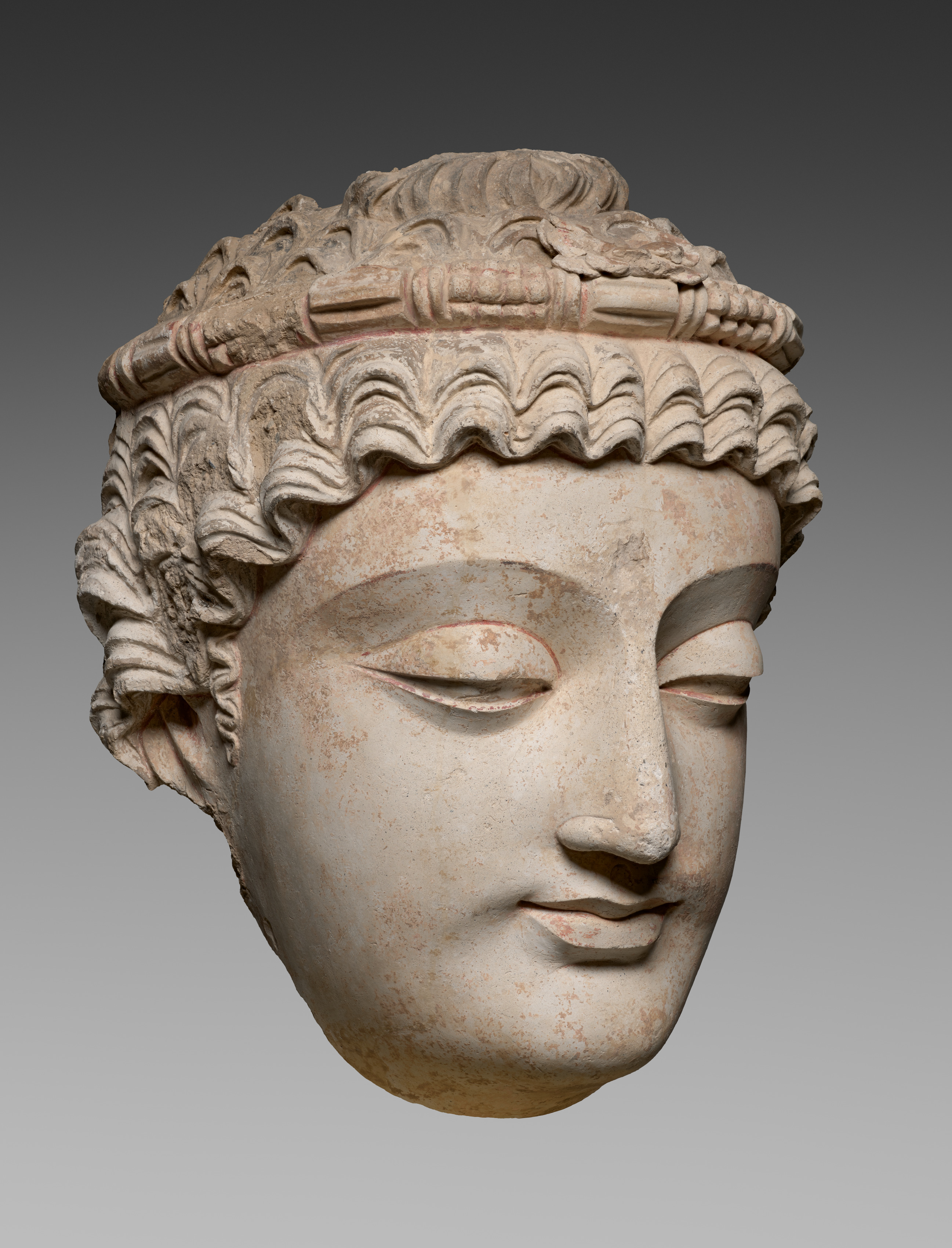


 Head of Bodhisattva Avalokiteshvara
300s–400s CE
Afghanistan or Pakistan, Gandhara, Kushan period
By this period, individual bodhisattvas were beginning to be revered as ideal figures who would deliberately postpone their own enlightenment and entrance into final nirvana, which is a state from which no one returns to be reborn into this world. Bodhisattvas accomplish all but the final meditation leading to full enlightenment, but they are considered to be so advanced in their practice and realization that they have the ability to control their rebirth and act in righteous and compassionate ways to help others achieve enlightenment. Because the remains of a lotus pedestal on which a Buddha sat is at the center of the diadem, this head can be identified as that of the Bodhisattva of Compassion. The idealized linearity of the brows and eyes along with the formalized waves of hair give an ethereal quality to the otherwise naturalistic face.
页面工具
